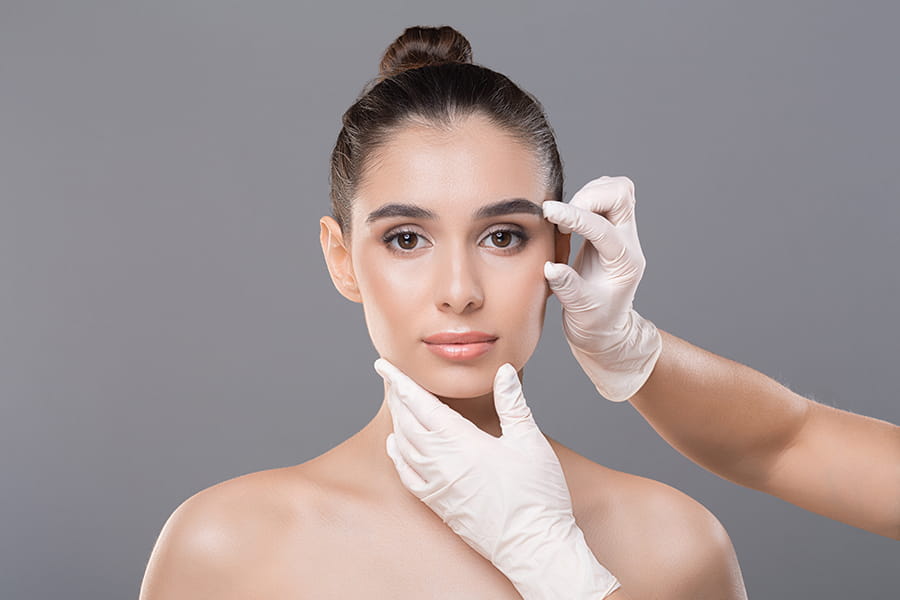
Collagen plays a central role in keeping skin firm, smooth, and resilient. It provides structural support, helps maintain elasticity, and contributes to an even skin texture. Over time, natural aging and environmental factors reduce collagen production, leading to visible changes in the skin. Understanding how collagen changes with age and which treatments can support firmness helps patients make informed decisions about their skin care.
The Role of Collagen in Skin Health
Collagen makes up nearly a third of your body’s protein, supporting the structure and strength of your muscles, bones, skin, and connective tissues. When collagen levels are high, skin appears firm and supple. It helps the skin retain moisture and recover from daily stress, such as facial movement and sun exposure, while also providing elasticity, replacing dead skin cells, and protecting your organs.
As collagen fibers weaken or break down, the skin becomes thinner and less elastic. This process contributes to fine lines, wrinkles, and sagging, particularly around the cheeks, jawline, and neck.
How Collagen Changes Over Time
Collagen production begins to slow as early as the mid-20s, but women may experience a more significant reduction after menopause, around age 60. After that point, the body produces less collagen each year while existing collagen fibers become less organized and break down faster. Sun exposure, smoking, stress, and natural hormonal changes can accelerate this process.
In the early stages, collagen loss may show up as subtle changes in texture or a loss of skin firmness. Over time, deeper wrinkles, laxity, and volume loss become more noticeable. These changes are gradual, which is why many patients seek treatments that help support collagen before significant sagging occurs.
Signs of Collagen Loss in the Skin
Common signs associated with reduced collagen include skin that feels less firm, fine lines that linger after facial expressions, and a general loss of definition in the lower face. Pores may appear more visible, and the skin may not reflect light as evenly as it once did.
Treatments That Support Collagen Production
Several noninvasive treatments, such as skin tightening procedures, are designed to stimulate collagen and improve skin firmness. These procedures work by delivering controlled energy to deeper layers of the skin, encouraging the body’s natural repair response.
Morpheus8 combines radiofrequency energy with microneedling to target deeper layers of the skin. This treatment helps remodel collagen while improving texture and firmness, making it a popular option for the face and neck.
Tixel skin resurfacing uses thermal energy to stimulate collagen without needles. It is often chosen for patients who want smoother skin and improved elasticity with minimal downtime. This treatment can be used on delicate areas and supports gradual collagen renewal.
Patients considering Thermage in Richmond, VA often do so because it delivers radiofrequency energy to tighten existing collagen while encouraging new collagen formation. Results develop gradually as the skin responds over time, making it a practical option for those looking for subtle, natural improvement.
What to Expect From Collagen-Stimulating Treatments
Most collagen-supporting treatments are performed in an outpatient setting and do not require anesthesia. Sessions typically last under an hour, depending on the treatment area. Patients may experience mild redness or warmth after treatment, which usually resolves quickly.
Results are not immediate. Collagen remodeling takes time, so improvements in firmness and texture continue to develop over several weeks and months. Many patients choose a series of treatments or maintenance sessions to support long-term results.
Supporting Collagen Between Treatments
Healthy skin habits play an important role in maintaining collagen. Daily sun protection, medical-grade skin care, and consistent hydration help preserve treatment results. Products such as Iridesse skin care may be recommended to support the skin barrier and overall skin health. Combining professional treatments with proper at-home care allows patients to maximize firmness while protecting the skin from further collagen breakdown.
Contact a Plastic Surgeon in Richmond, VA
Collagen loss is a natural part of aging, but effective treatment options are available. Noninvasive procedures can support skin firmness and help patients maintain a smoother, more youthful appearance without surgery.
At Hillelson-Whipple Clinic, physician-administered treatments are selected based on individual skin concerns and goals. Whether you are noticing early signs of collagen loss or seeking to improve existing skin laxity, professional guidance ensures safe and personalized care. To learn more or schedule a consultation, call (804) 290-0060 or request an appointment online.